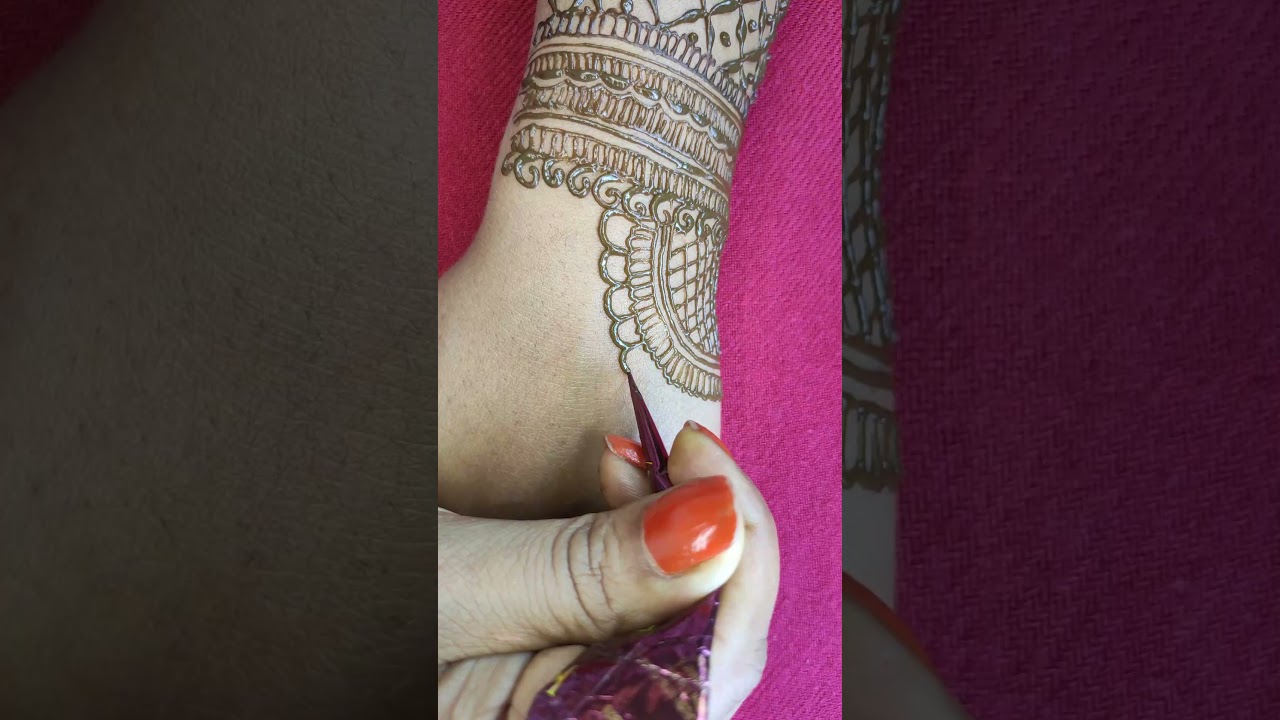
Henna is a plant that is adored throughout the world. It's known under a variety of names, including Mehndi, Nacre, and Khayyam. It is used extensively for making a range of skin and hair care items, extensions for hair, and even in decorating clothes and accessories for the home. It has been used for thousands of years as a dye for dying cloth, and for creating beauty products. It's certain that the majority of people have heard of henna tattoos, but few are aware of more than some basic facts.
Henna designs were first discovered in India but the method of applying these designs is Western. Henna tattoos first came into the West from the British during their time in India. The colorful patterns are able to be applied to virtually any body part however feet and hands are the most well-known places. Henna tattoos can fade rather quickly, although they don't last for a long time. Additionally, henna may cause an allergic reaction in sensitive skin, and should always be applied in accordance with the instructions on the packaging.
Henna designs were first popular with those of lower classes as a means to embellish their bodies using traditional Indian customs. Henna tattoos have been used ever since to for tying clothing or bring a unique and vibrant look to ordinary clothes. The powerful and wealthy had extensive henna designs on their feet and hands in contrast to those living in the midst of the village were much simpler. The rich and powerful still chose to wear them but, it was a social stigma to not wear these.
Black tattoos of henna have always been popular as they are easily visible beneath clothing. Henna has become such an extremely popular skin art that almost all tribal societies, immigrant groups and religions utilize it. It's utilized as a dye and also as a way to integrate spirituality into Simple Mehndi Design a person's life. When incorporating henna into religious rituals, the followers of the religion can develop deeper ties to their beliefs and practices. The henna dye helps them focus their souls and aids in focusing their spiritual goal.
Henna is utilized for centuries to embellish the face of important people within the region of the middle east, particularly in the sharia law of India. Henna design on the face of a bride are important and are a element of wedding ceremonies in the middle east. There is also a great tradition of henna on the hands' palms. Henna on the hands represents luck and prosperity. It is believed to protect against evil spirits.
Henna remains an effective method of design for the body within India and the technique of application has not changed through the years. When an Hindu woman is getting ready to decorate her body by henna, she first cleans her feet and hands using soap and water, and then prepare a mix of henna powder and milk. Then she uses this combination to color her skin. Henna paste is painted onto the body by adding the powder from her hands and creating a thick paste with which to paint the skin. It could take several applications to achieve the desired result and is a crucial element of the traditional Indian Henna culture.
Henna tattooing is growing in popularity as a way to add a touch of style to your body. Henna designs can be combined with other forms of inks to create more intricate design or to create something truly distinct. Henna application is done by rolling powder of henna into a ball and pressing the ball against the skin on the arms and hands. The person who wants the design will hold the powder of henna in his hands, and draw or draw the design on it. Many people choose to purchase designs of henna tattoos in magazines, while some prefer to design the henna tattoo by themselves.
Henna tattoo designs are popular among South Asian American, Chinese, and European American people. Henna tattoos are considered to have a symbolic significance in Hinduism in addition to having religious significance across other religious traditions. Henna tattoos have been used for a long time, and were utilized by early Egyptians. They are still popular in India, and are often utilized to decorate sacred temples and cemeteries. Henna patterns are popular among modern artists. A lot of the artists are specialized in henna designs, and you can find advertisements for their products on the Internet.